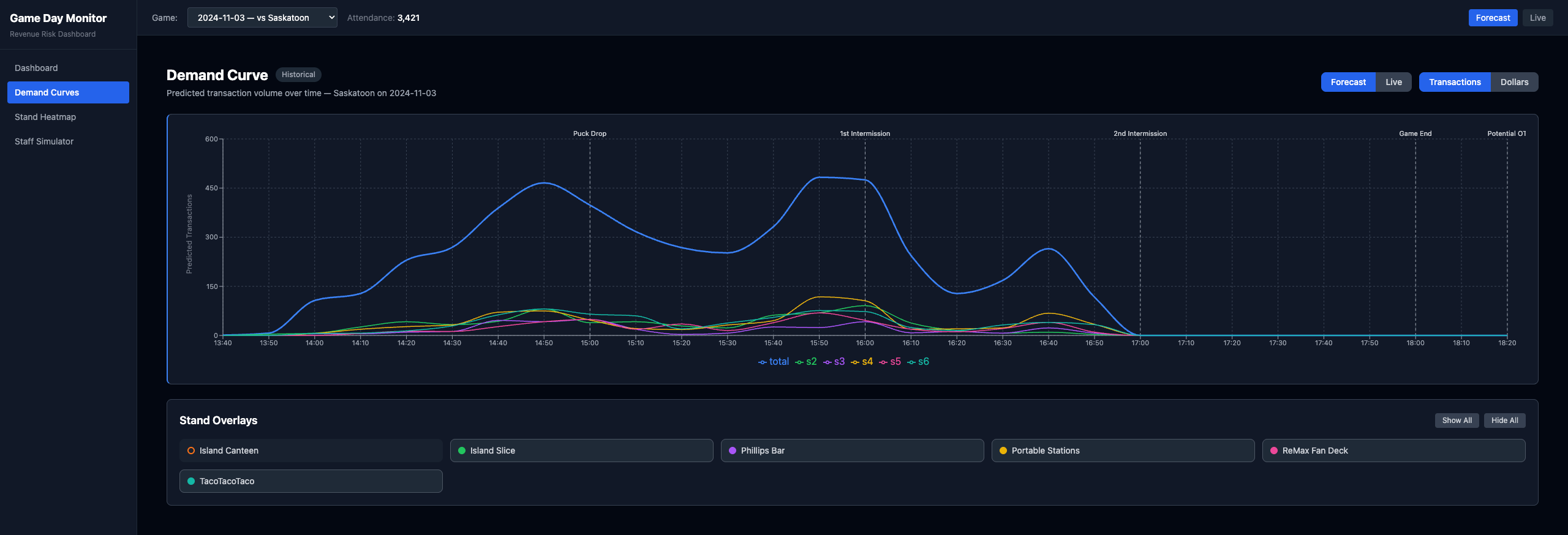
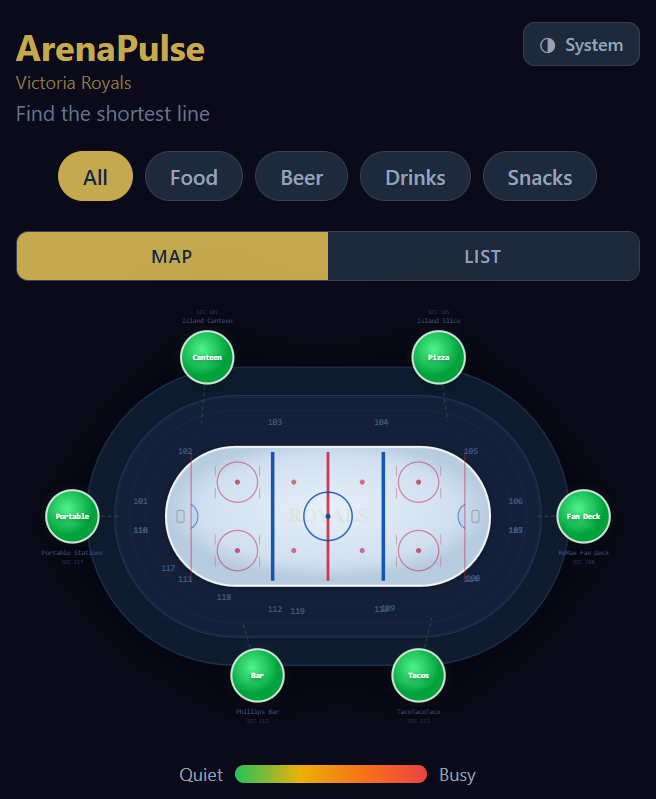
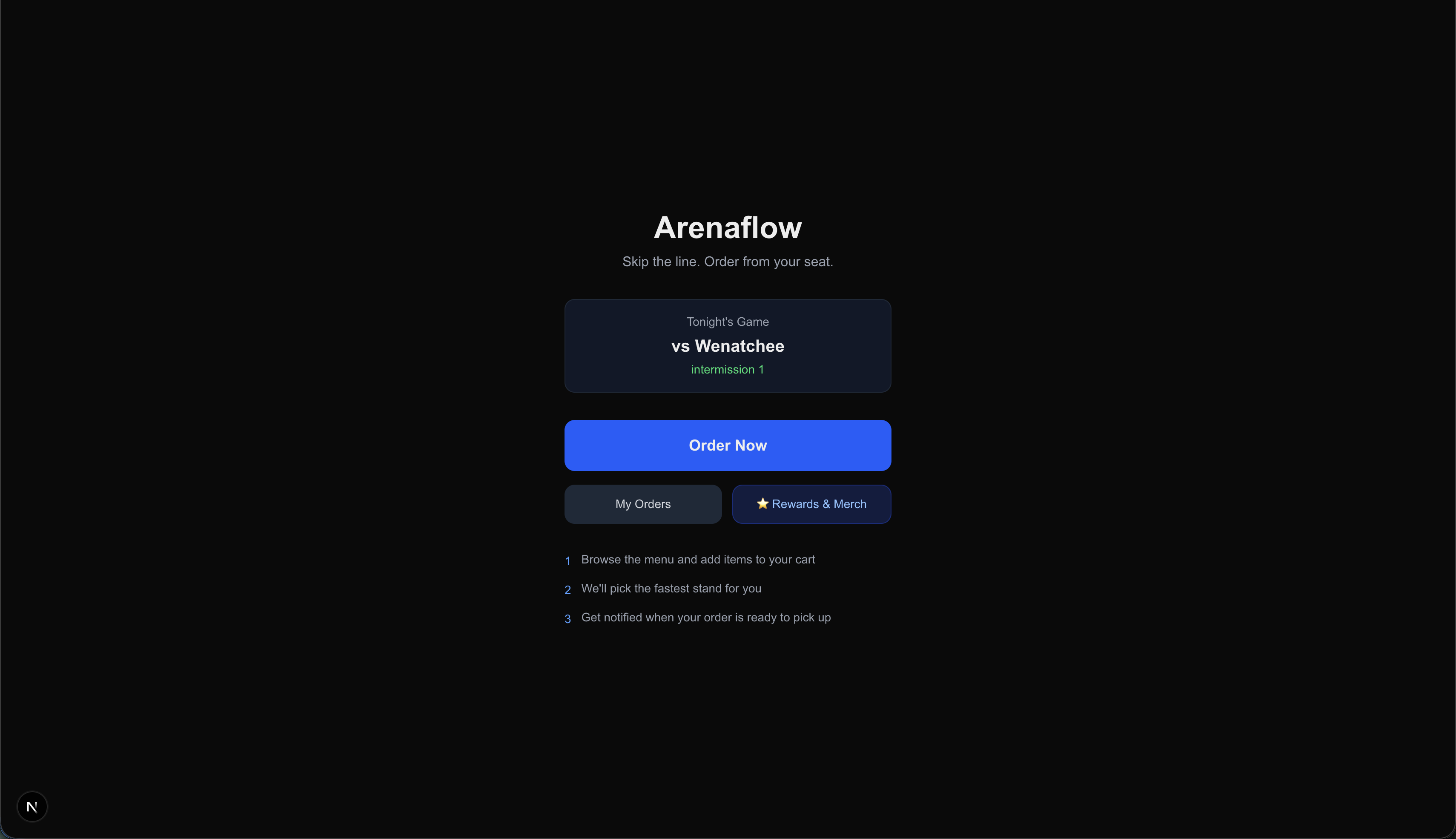
All three teams are now collaborating on a unified AI platform for the Victoria Royals, combining the analytics dashboard, heat maps, and loyalty program into a single solution. That is what BuildersVault hackathons are about: prototypes that become products.
Healthcare & AI Hackathon
Hackathon #2
March 27-28, 2026. University of Victoria. AI solutions for BC's healthcare system.
Two challenge tracks: Clinical AI and Population Health & Health Equity. Judged by healthcare professionals, AI researchers, and enterprise leaders. Sponsored by Red Bull, Trelent, and the Victoria Data Society.
Featured Project
Population Health & Equity
AI-Enabled Care Prioritization System
Fuses patient clinical risk with community vulnerability data to produce a single priority score for care coordinators. Identifies which of BC's 1-in-5 unattached patients need outreach most, combining ED visit frequency, chronic disease burden, and community-level barriers like GP shortages and opioid rates.
Surfaces evidence-backed recommendations for preventive care and screenings. Analyzes patient profiles against provincial and federal health guidelines to identify overdue screenings and risk factors, then initiates outreach via email and SMS to inform patients what needs to be done and where to access it.
AI-assisted 811 Healthlink clinical decision support system. Allows one qualified professional to manage multiple 811 calls in real time by transcribing, summarizing, and routing calls to expand intake capacity.
Dynamic executive dashboard connecting localized socioeconomic vulnerability with provincial health system pressures. Real-time vulnerability index, surgical wait time tracking, and dual-axis opioid crisis mapping across 78 BC communities.
Streamlines the medical referral process to reduce ER backlogs. Automates referral routing between primary care and specialists, cutting wait times and reducing the administrative burden on clinicians.
Patient navigation tool for BC's healthcare system. Helps patients find the right care pathway based on symptoms, location, and available resources across the province.
AI-powered clinical assistant that helps healthcare providers make faster, more informed decisions by synthesizing patient data and surfacing relevant clinical context during consultations.
AI-powered patient navigation layer that guides care decisions and directs patients to the right place at the right time, reducing misrouted visits and improving system throughput.
Built by
Mark Axelus & Michael Webster
What happened next?
A UVic professor and healthcare AI researcher is now pursuing NSERC and CIHR research grants with winning teams to further develop their solutions. Multiple projects have live demos actively being evaluated by BC healthcare organizations. This is the BuildersVault pipeline: hackathon prototypes become funded research and real deployments.
Social Services Hackathon
Hackathon #3: April 20-25
April 20-25, 2026. Hosted at Modus Design Labs (Owen Works), Victoria, BC. Two tracks — inter-organizational referral & care coordination (Cool Aid) and food security delivery operations (FatiCare). Starter kit is public.
Working alongside Cool Aid Society and FatiCare, builders tackle two tracks: inter-organizational referral & care coordination (HIFIS 4, Coordinated Access, PIPA/FOIPPA/OCAP) and food security delivery operations (Meals on Wheels, VRP, cold-chain, volunteer ops). The starter kit ships realistic synthetic data, Mermaid ERDs, field dictionaries, starter notebooks, and a Streamlit scaffold so teams are building within the first hour.